Whether your daughter has cut herself playing in the garden or you’ve got a superficial burn from the oven, the skin has the amazing capacity to heal itself. By applying appropriate care, you can help optimise the skin’s natural healing process. Skin repair creams are, without doubt, an everyday essential care for all the family.
Repair cream: helping your skin heal
Reading time : 4 min
An incredible shield, our skin
Our skin has exceptional healing abilities. It protects the body from various environmental threats, such as cold, UV rays, or wind. When irritated or damaged from a small injury or wound, it naturally repairs itself. The natural healing process can take up to 2 years, depending on various factors such as the severity of the lesion, its location, skin type, and age. This complex biological mechanism takes place in 4 successive stages, with a key moment involving the production of many new cells to replace the missing skin tissue.
During the healing process, you may experience unpleasant or uncomfortable sensations, especially tightness and itching. The skin repair cream you can apply during this period is designed to relieve these effects and, most importantly, to optimise skin repair so that the scar is as inconspicuous as possible.
The right steps to help healing
Although the skin is very good at healing, the way you look after the damaged area plays an important role in the process.
- The importance of skin cleansing: cleaning the skin is the first essential step, whether it’s simply scratched or damaged. Use an anti-microbial cleansing solution first to remove any dirt or debris, eliminate all pathogens and prevent the risk of infection. You better choose a soap-free and perfume-free formula. This will help the epidermis to close and the healing process to begin.
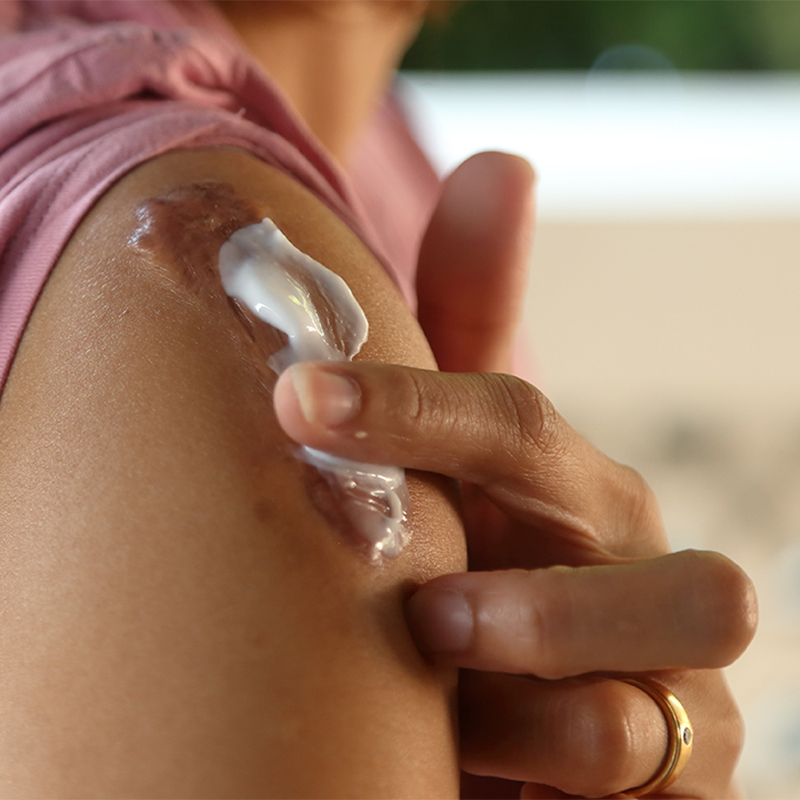
- Support healing: once the lesion starts to heal, applying a repair cream can help the skin rebuild itself more effectively and reduce the risk of scarring. Keep in mind that a moist environment promotes healing. With a targeted formula and a highly moisturising texture, this kind of cream helps regenerate the tissue and restore the skin’s suppleness and elasticity. It also soothes the skin to limit itchy, uncomfortable sensations, while protecting the newly formed, extremely fragile surface tissue.
- Massage to reduce scarring: massaging the scar can help promote epidermal reconstruction and minimise its appearance – by reducing the formation of fibrous adhesions. You’ll need to wait until the lesion has fully closed and make sure it isn’t inflamed or infected (no oozing scabs).
BIODERMA, an expert in damaged skin with Cicabio
Bioderma is a benchmark in the care of damaged skin. The Cicabio range is constantly innovating to better support and optimse the healing process.
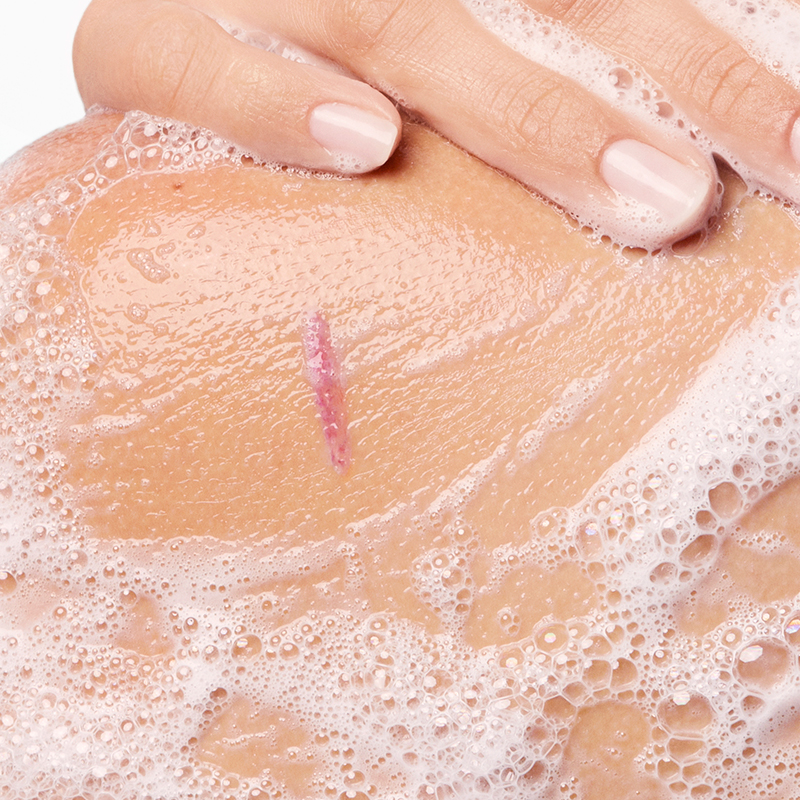
When could you use the Cicabio range?
Once the skin has closed and a scab started to form, you can apply Cicabio CrEAM+ or Cicabio Crème SPF50+ to optimise the healing process, while preserving the skin’s ecosystem and restoring microbiome diversity.
- Patented formula with +80% active biomimetic ingredients
- Soothing barrier-effect texture
- Clinically proven efficacy under dermatological, ophthalmological & paediatrics control
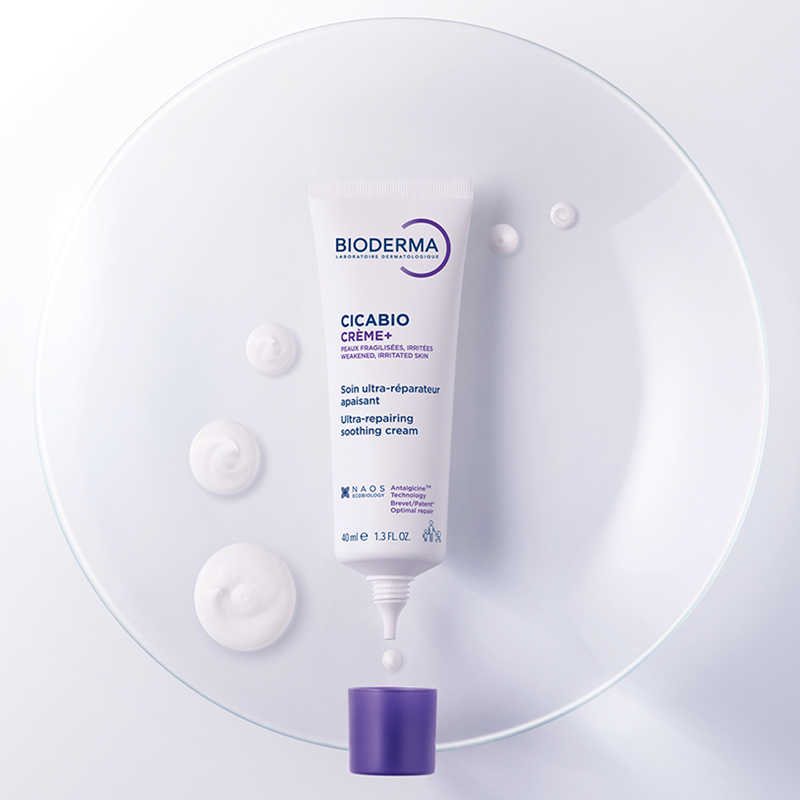
CICABIO CREAM+
More than 25 indications in one multipurpose repair cream
Not only does CICABIO CREAM+ respect your skin, but it is also multipurpose – making it a medicine cabinet must-have for all the family, from newborn babies to children and adults.
CICABIO CREAM+ can be used for an extremely wide range of different kind of lesions. Just make sure the lesion isn’t bleeding anymore, the skin has closed, and a scab has started to form before you apply the cream.
BUY NOW
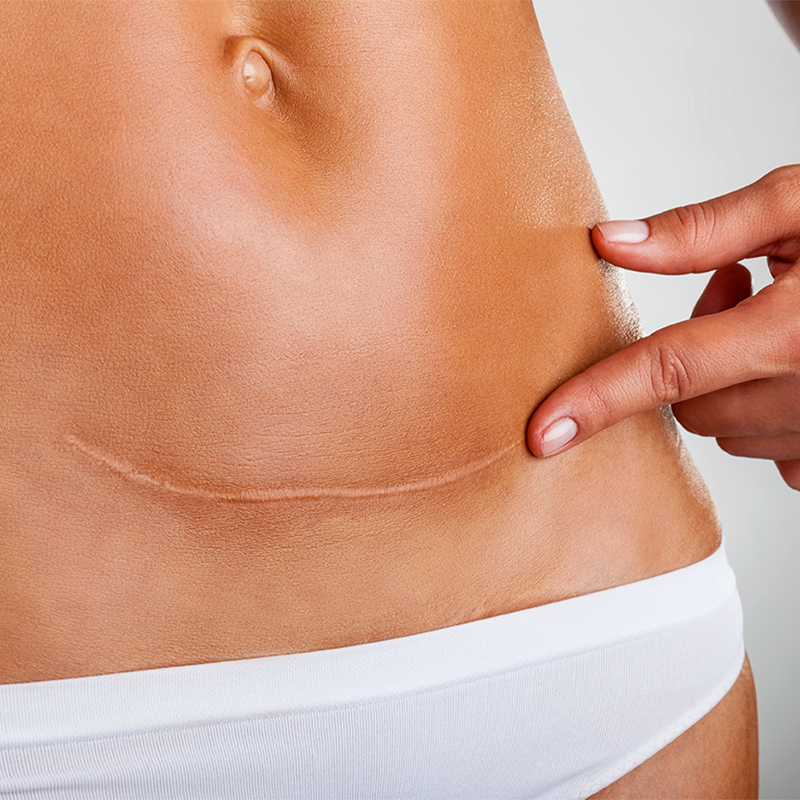
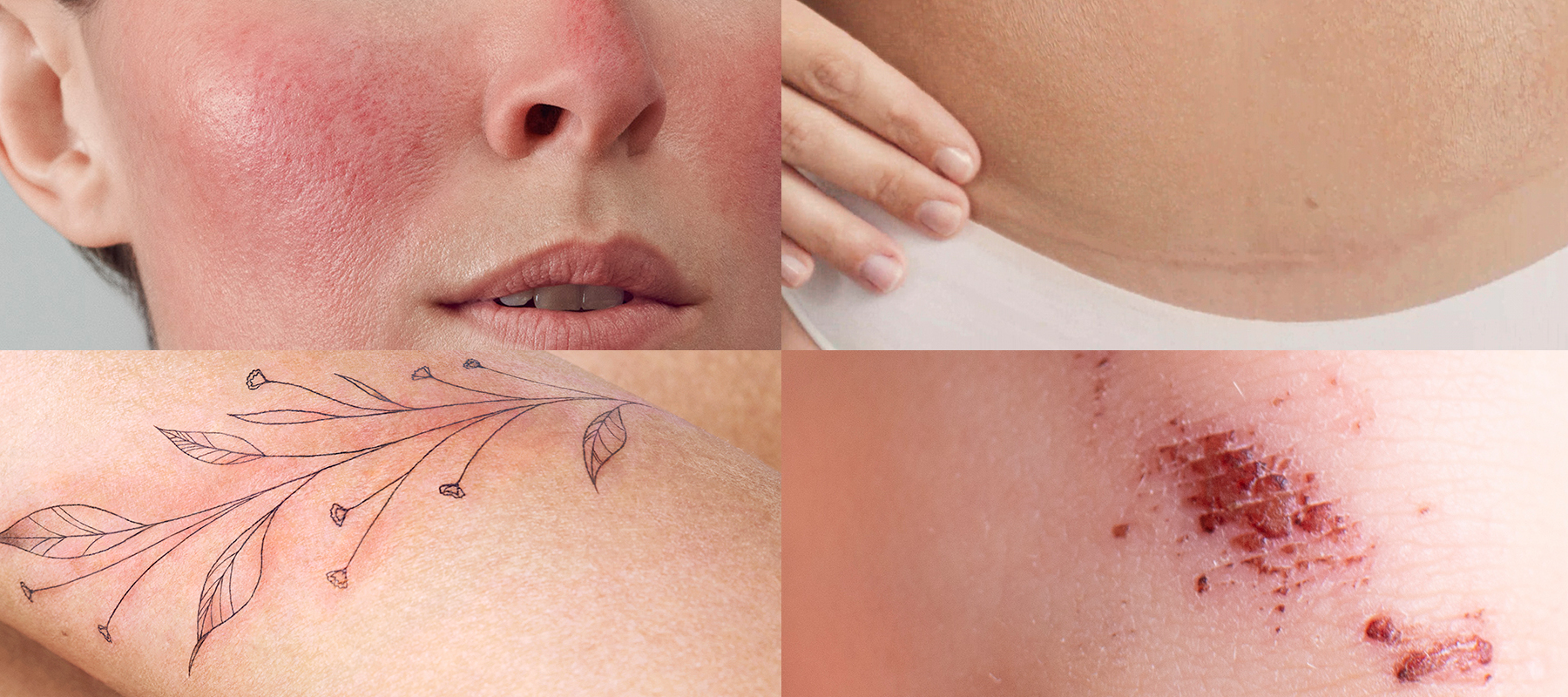
- Post-delivery including caesarean and episiotomy scars
- Cracked nipple e.g. breastfeeding and breast pumps
- Diaper rash / redness
- Perioral dermatitis (irritation from saliva)
- Angular cheilitis (irritated mouth corners)
- Childhood diseases like dry pimples from chickenpox
- Post-laser including removing brown spots & post-acne marks
- Peelings
- Depilation
- Tattoos / removing a tattoo (healing and maintenance)
- Cryotherapy
- Permanent make-up e.g. microblading, microshading & lips
- Liquid nitrogen treatments
- Stitches including sutures and staples
- Surgical wounds e.g. oncological surgery (lumpectomy)
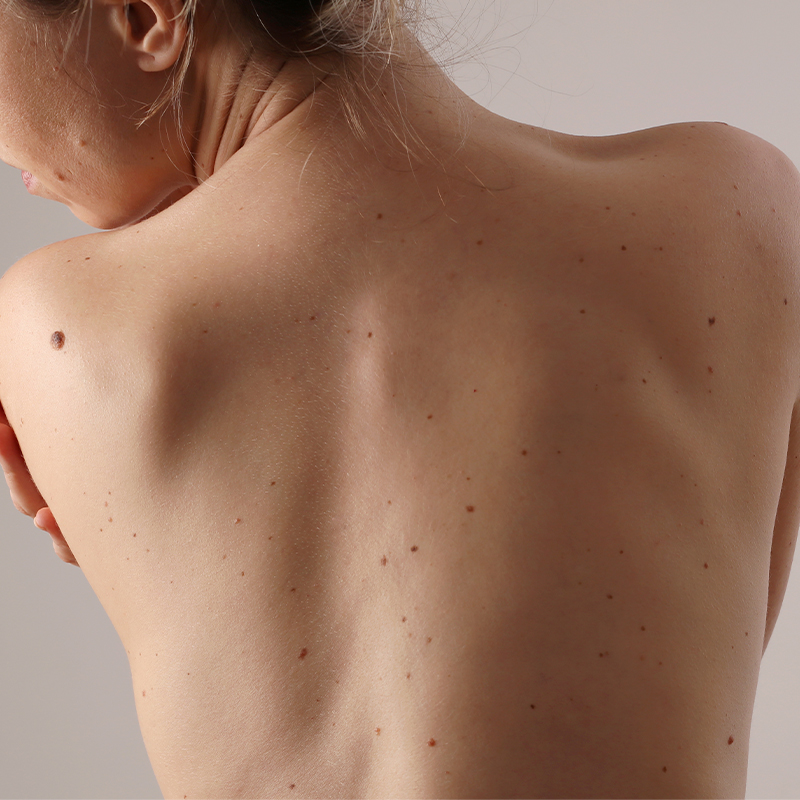
- Mole removal
If in doubt, always contact your doctor first for expert advice.
How exactly can you use CICABIO CREAM+?
Let’s take a closer look at some of the ways you can use Cicabio routine at home.
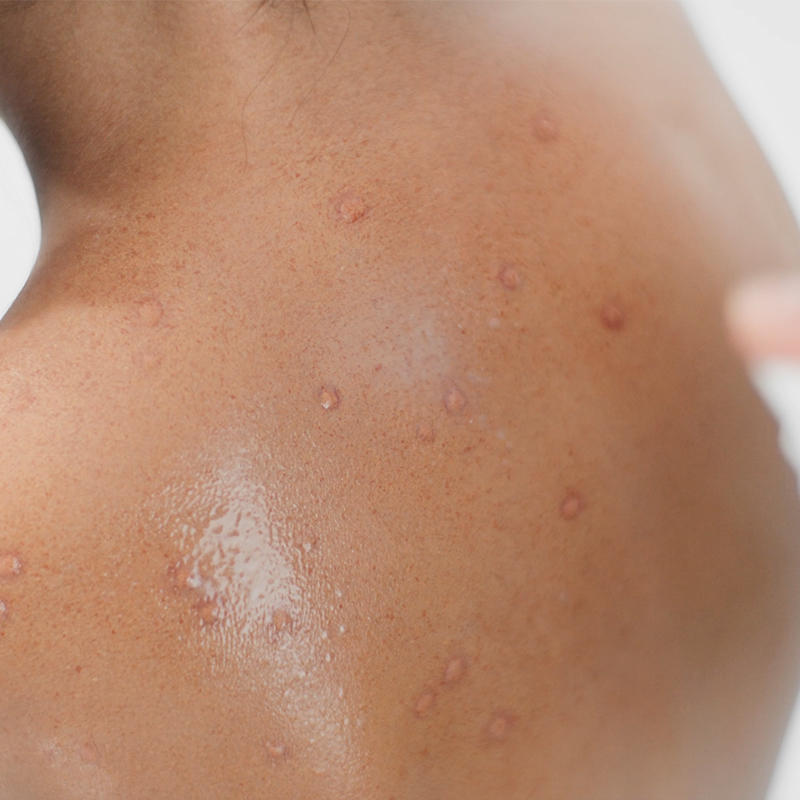
Gently dab spots clean with the antimicrobial product prescribed by your doctor
Dry the spots using a drying spray or lotion.
If the itching sensations are intense, avoid scratching as this can create lasting scars – ask your doctor to prescribe an anti-itching cream or antihistamine
Apply a repair cream like CICABIO CREAM+ once the scabs have formed to promote healing
Adopt a care routine adapted to oily and acne-prone skin to limit inflammation
Avoid touching or squeezing the affected area
As the pimples heal, apply a healing cream morning and night
Protect your skin from the sun with an SPF 50+ cream to avoid hyperpigmentation
Cover your tattoo with a dressing for the first few days
When you remove it, wash your hands thoroughly before gently peeling it off
Use delicate cleanser, rinse well and lightly pat the skin dry, before applying Cicabio CREAM+.
Don’t pick at the scabs as this can cause scarring and remember to apply sun protection