What factors play a role in the healing process?
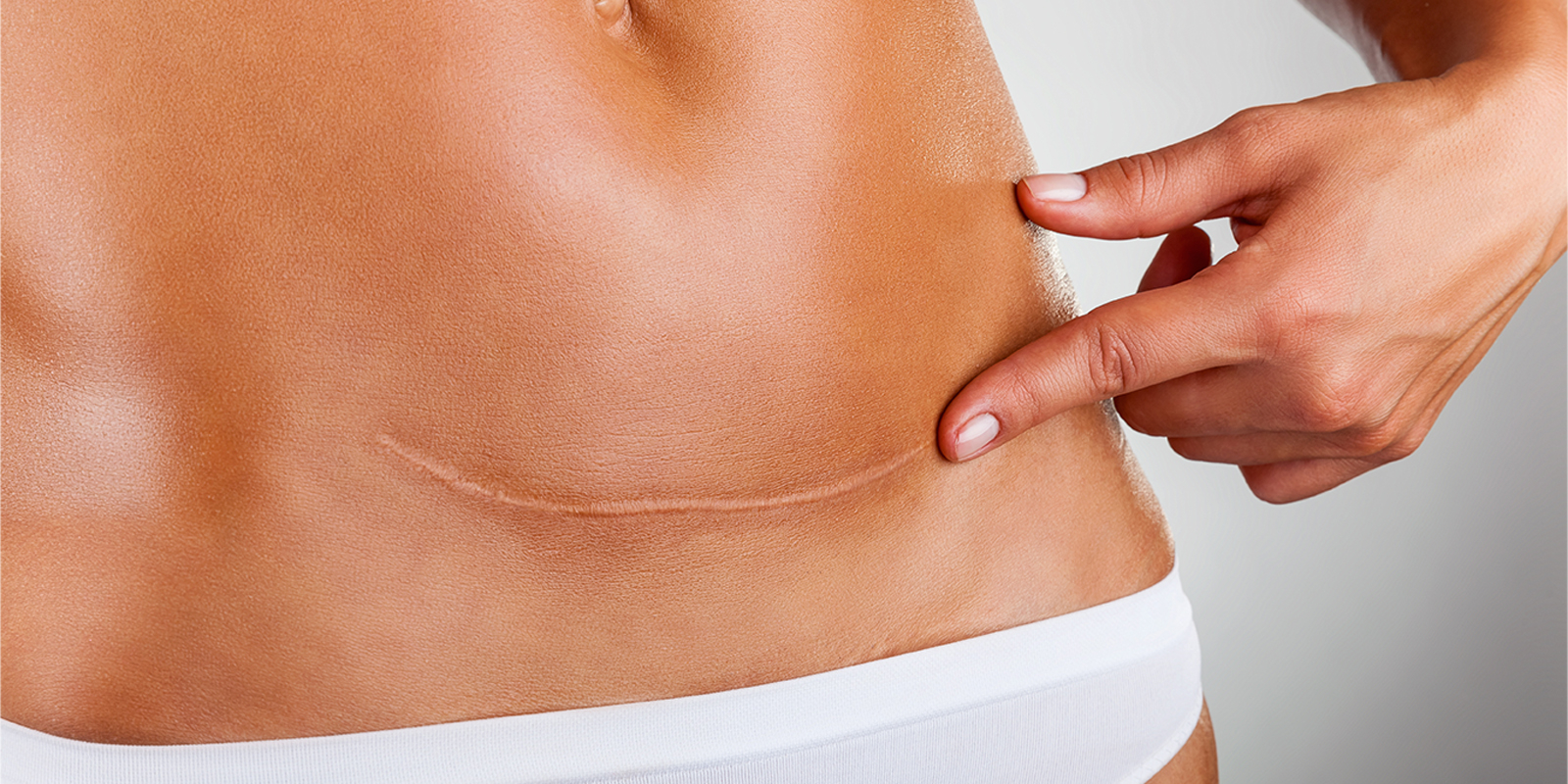
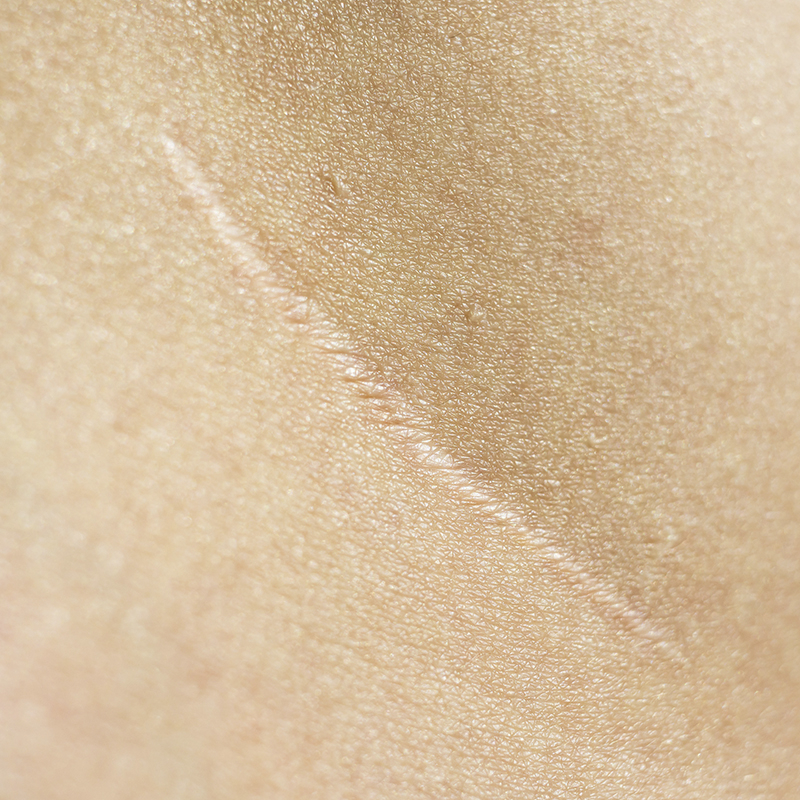
First of all, it is essential to take into account the topography of the scar. Some areas of the body don’t heal as well as others. For example, there is a risk that the edges of a wound located on the back or chest will separate, causing an increased risk of hypertrophic or keloid scarring.
Wounds on the knees or ankles require a lot of time to heal. It is critical to carefully monitor them and take care of them on a regular basis to promote proper healing. Genetics also play a very significant role. You should always refer to past scars to assess risks of improper healing. Keep in mind that the healing process is not over once the scar has closed.
Healing is a matter of months and varies from one individual to another.
How can I promote proper healing?
Once the scar has closed, you will want to take some precautions for several months. Depending on where the scar is located on the body, you should take care not to put too much pressure on it (for example, don’t carry heavy things if the scar is on your back) because this increases the risk that the edges will separate, causing suture disunion.
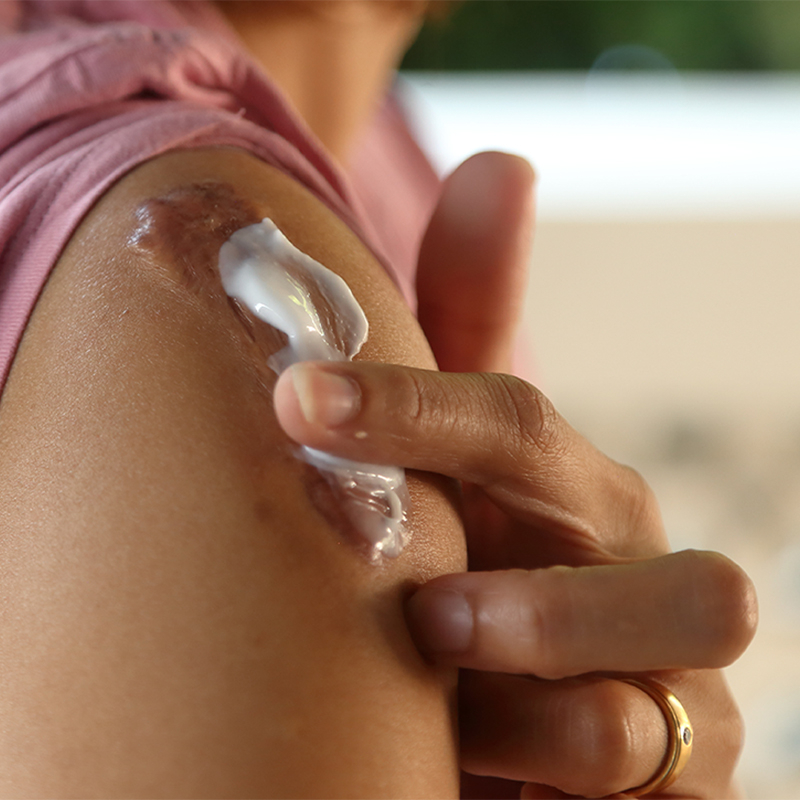
The scar should evolve as naturally as possible, but some products can limit scabs, itching and pain, which impact healing quality.
Lastly, you absolutely must choose optimum an photoprotection product with a high protection factor and apply it frequently to achieve lasting anti-UV ray protection. Damaged skin that is exposed to UV rays is more likely to have post-scarring hyperpigmentation. Protecting yourself is not just important in the summer; UV rays are bombarding you throughout the year, even through clouds, windows, windshields and more. The risk of scar hyperpigmentation usually lasts six months, but can continue for up to two years. Only a doctor can evaluate whether the risk has diminished.