REDUCE THE URGE TO SCRATCH BY 88% WITH OUR NEW ATODERM AD INTENSIVE BALM SHOP NOW

The Crucial Role of the Skin Microbiome in Skin Healing

Reading time : 3 min

healing process

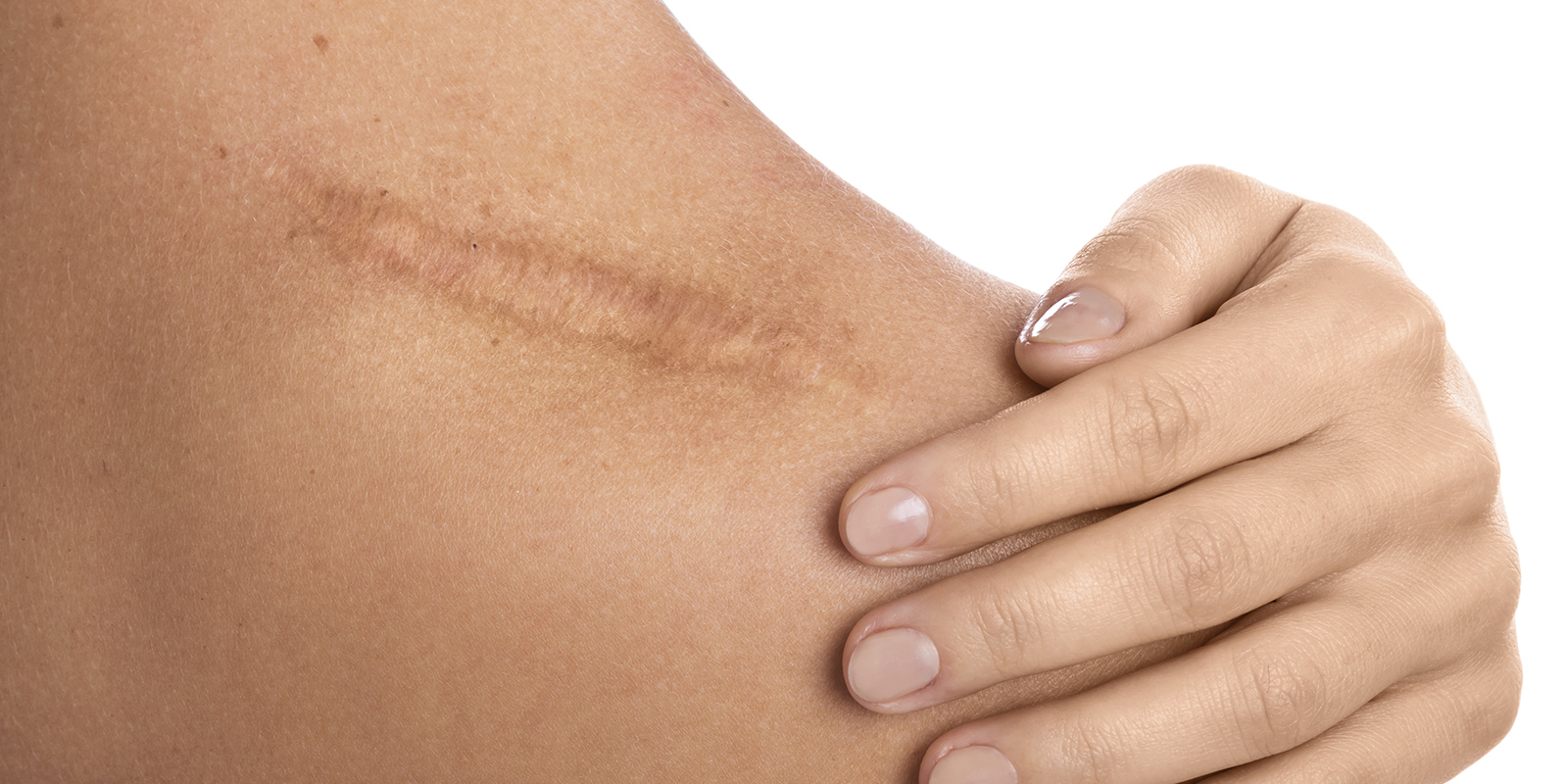
The latest scientific studies have shown that the skin’s microbiome – microorganisms that live symbiotically on our skin – plays an intrinsic role in helping our epidermis heal. Indeed, the microbiome reduces colonization and infection by pathogenic bacteria, helps to resolve inflammation and promotes epidermal reconstruction.

If our microbiome is altered in any way, this could slow down the skin’s natural healing process.

Microbiome in microscope

The skin microbiome: understanding your skin’s ecosystem


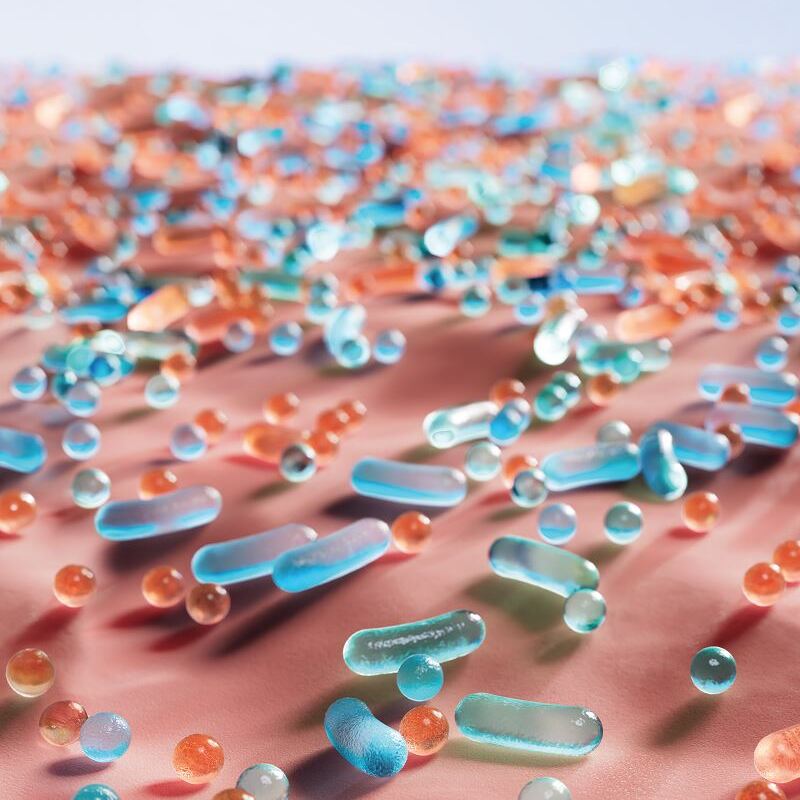
Our skin is a living organ. On the skin's surface lives a population of microorganisms that include several hundred species of bacteria and yeast.


This entire community of organisms is what composes the skin microbiome. When skin is normal and healthy, the microbiome lives in symbiosis with our skin cells. Together, they have created an ecosystem where they are interdependent on each other to stay in good health.

How the microbiome helps weakened skin heal


The skin’s microbiome interacts with the microbial, immune, physical and chemical components of our skin barrier, and in so doing helps to maintain skin equilibrium.


Recent scientific discoveries have highlighted the importance of the skin microbiome in wound healing, observes Marco Romanelli, Professor and Chair of the Dermatology Division of the Department of Clinical and Experimental Medicine at the University of Pisa in Italy.

 When we get a superficial cut or other form of weakened skin, it is normal to clean it to remove dirt and germs. And yet, ‘in clinical practice,’ explains Marco Romanelli, ‘the inappropriate use of antiseptics can alter the microbiome, resulting in delayed healing due to microbiome imbalance. Therefore, to preserve the healing process,’ he goes on, ‘it is important to use antimicrobial agents only when they are essential. For example, at the wound cleansing stage.’ Using them ‘any longer than necessary may even be detrimental to the healing process,’ he concludes. So, the microbiome actively influences healing. How? By participating in each of the four stages of the skin’s repair process. 

Marco Romanelli, Professor and Chairman of the Division of Dermatology, Pisa Italy

The microbiome in the 3 stages of skin healing


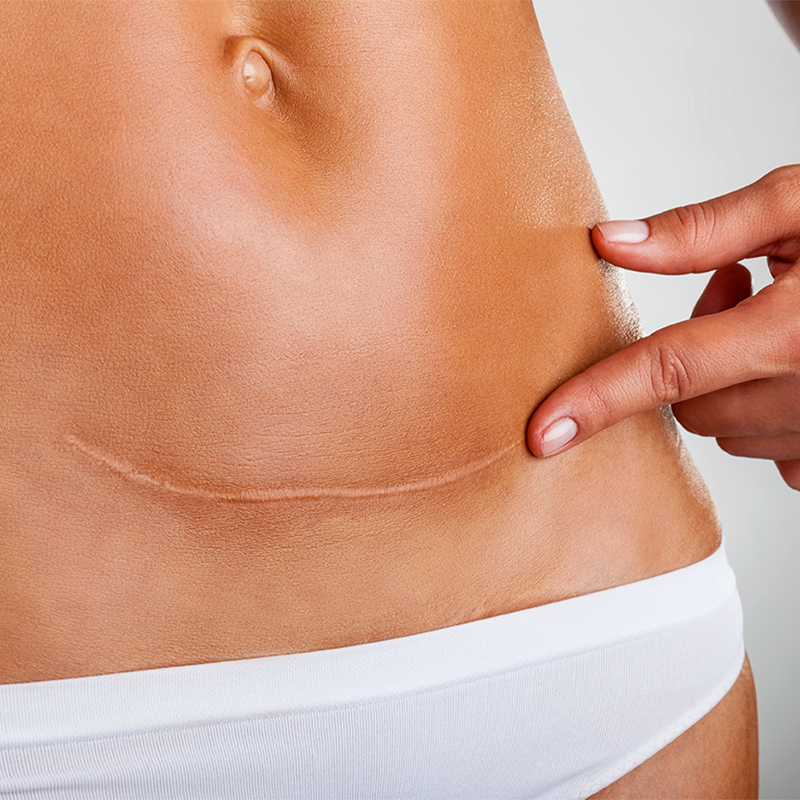
The three stages of the healing process tend to overlap. The skin stops the blood flow, there is inflammation, tissue regrows and then it needs to mature and remodel itself to fulfil its barrier role. Throughout, the microbiome launches an innate repair response that helps skin heal better and faster.


The skin microbiota competes for the nutrients and space that are available to it. It therefore has coping mechanisms to resist colonisation and infection by pathogenic microorganisms. By interfering with their toxicity and ability to spread, it stops them from growing.


The microbiome therefore helps to prevent weakened skin from becoming infected.


The microbiota acts on skin immune mechanisms to help suppress inflammation.


As tissue regrows, the skin microbiome assists the skin barrier in reforming and in producing ceramides that keep the skin hydrated.


The epidermis and microbiome secrete the lipids and acids that create an impermeable layer, preventing skin from drying out. The acidic environment is a normal part of healthy skin. It is also what helps to create conditions for lowering infection, reconstructing tissue, closing the lesion and maintaining collagen levels.


Microbiome diversity is a key factor in optimal skin healing


New approach for skin healing


As a result of this knowledge, a new approach has therefore emerged to heal weakened skin. It aims to support the positive role of the microbiome by restoring and preserving its diversity.


As emphasized by Professor Romanelli, cleansing is essential to minimising the risk of infection. For this reason, anti-microbial agents, such as zinc, can be applied to weakened skin. After weakened skin has been cleaned, however, using such agents again can impede the healing process.


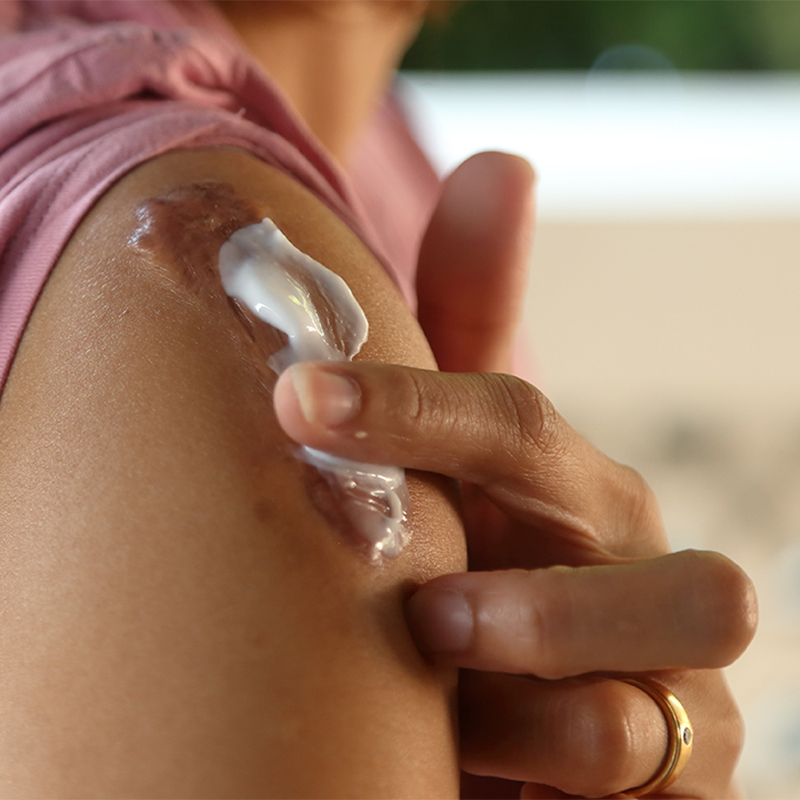
Following cleansing, applying a dedicated healing cream that respects the skin’s ecosystem can have a positive and dramatic effect on the healing process. By being mindful of the skin’s biology and the microbiome’s diversity, skin is better able to ward off weakness of any kind. The microbiome is key to our skin’s health and balance.