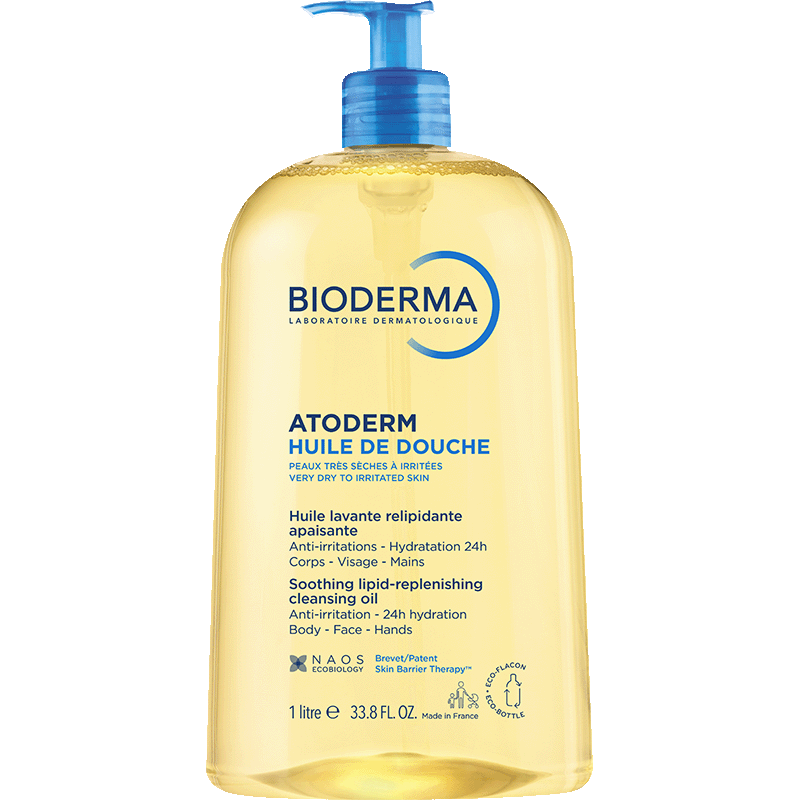
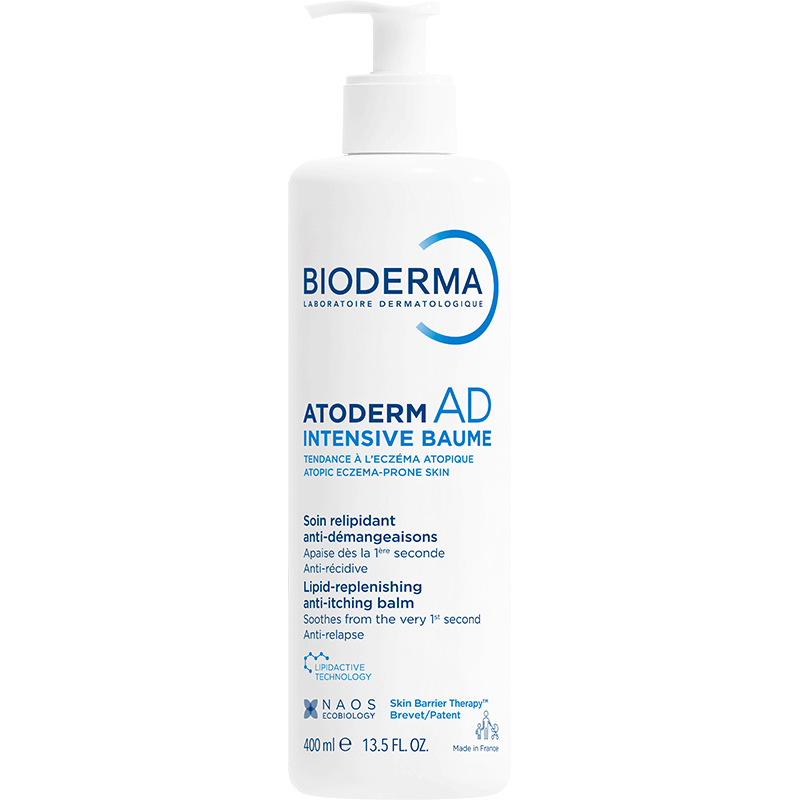
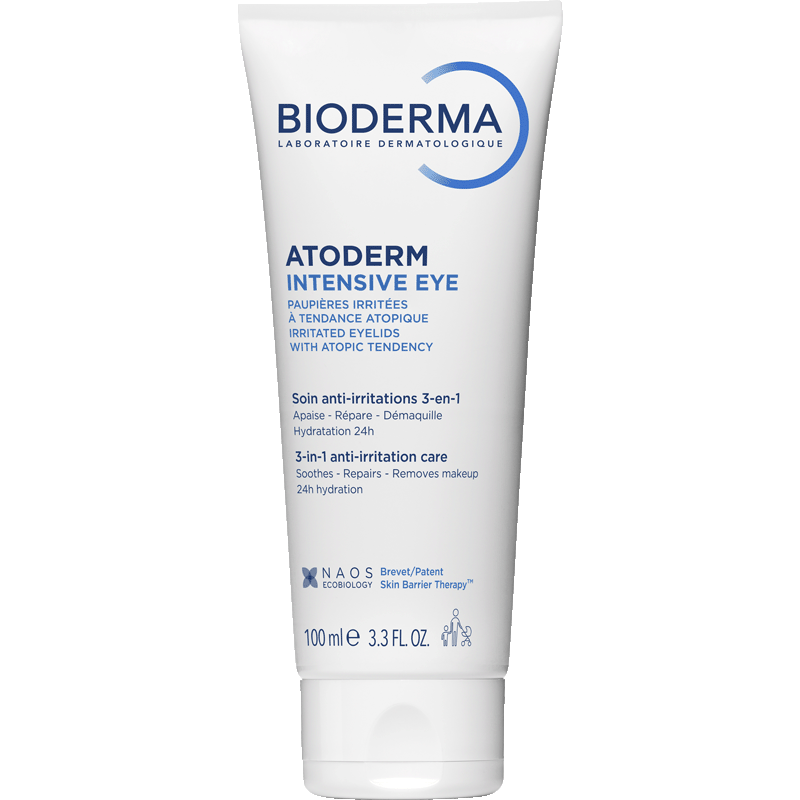
REDUCE THE URGE TO SCRATCH BY 88% WITH OUR NEW ATODERM AD INTENSIVE BALM SHOP NOW

Living with Atopic Eczema: Solutions to Help Manage Your Symptoms

Reading time : 4 min

Model visual with eczema


Living with atopic eczema can feel overwhelming for children, parents amd teenagers. From diagnosis to daily skincare routines, every eczema journey is unique. Yet with the right medical support, skincare habits and community resources, it is possible to reduce flare-ups, improve quality of life and feel less alone.


Key statistic: Atopic dermatitis affects up to 20% of children and up to 10% of adults worldwide (National Eczema Association; NCBI).


Skin diagnosis

Understanding the Atopic Eczema Journey


Life with atopic-prone skin


Diagnosing atopic dermatitis is often the first major milestone in an eczema journey. Early diagnosis can help patients access appropriate treatment, better manage flare-ups and reduce the long-term burden of the disease.

Although effective treatments exist, many patients still struggle to identify the right specialists, understand their condition and select suitable skincare products. Whether you are living with eczema yourself or caring for a child with atopic skin, finding trustworthy information and support can make a significant difference.


Key Takeaways

  • Early diagnosis improves eczema management.
  • Education empowers patients and caregivers.
  • Daily skincare plays a central role alongside medical treatment.

A real Eczema Journey: Thomas's story from childhood to parenthood


Growing up with eczema


Thomas has lived with eczema since a young age. As a child, eczema affected large areas of his body and significantly impacted his daily life.

He recalls being unable to participate in certain school activities, needing to wear gloves during painting sessions and even while swimming during flare-ups. Beyond the physical symptoms, eczema affected his confidence and sense of belonging.

Video Interview: Thomas & Professor Jean-François Nicolas, Dermatologist & eczema expert


In this exclusive interview, Thomas discusses his personal eczema journey with Professor Nicolas, dermatologist. Together, they explore childhood eczema, family concerns, treatment evolution and the importance of long-term skincare routines.


Becoming a Parent While Living with Eczema


Thomas's relationship with eczema changed dramatically when he became a father.

When his son developed eczema at only a few months old, Thomas experienced fear, anxiety and guilt. Having suffered from eczema himself, he worried his son might face the same difficulties.

Professor Nicolas reassured him that today's understanding of eczema is very different from previous generations.

As Thomas explains, developing a daily skincare routine has become a family habit. Careful bathing practices, gentle cleansing and regular use of emollients has now formed part of their daily life.


City pollution and stress

The science behind atopic eczema


Understanding the Skin Barrier

Modern research shows that eczema is closely linked to a dysfunction of the skin barrier.

When the skin barrier becomes weakened, it allows irritants and environmental aggressors to penetrate the skin more easily, triggering inflammation and itching.

Key statistic: Around 60% of eczema cases begin during the first year of life.


The role of environmental factors in the Eczema Journey

Professor Nicolas explains:


"Eczema starts with an impaired skin barrier that allows environmental factors such asdust mites, pollution or pollen - to penetrate fragile skin. These “invaders” trigger animmune response, fueling inflammation, intensifying itching and leading to flare-ups."

While genetics contribute to eczema susceptibility, environmental exposure plays a major role in disease expression. Current management strategies focus on restoring the skin barrier and replenishing the lipids naturally missing from atopic skin.


Key Takeaways

  • Eczema is not purely hereditary.
  • Skin barrier dysfunction is central to the disease.
  • Environmental pollutants and irritants contribute to flare-ups.
  • Daily emollient use helps restore barrier function.


Finding the Right Products for Your Eczema Journey


Why Daily Creams Matter


Dermatologists consistently recommend daily use of creams for eczema-prone skin.

European guidelines for atopic dermatitis management recognise moisturisation as a cornerstone of treatment.

Key statistic: Up to 90% of paediatric eczema cases are considered mild to moderate and benefit from consistent skincare management.


Understanding Trusted Labels


The Emollient Plus category was created following European recommendations for atopic dermatitis management and highlights products with demonstrated benefits for eczema-prone skin.

The European Centre for Allergy Research Foundation (ECARF) certifies products meeting strict requirements for allergy sufferers.


AFPRAL evaluates products developed to minimise allergy risks and provide tangible benefits for patients.


Community support throughout the Eczema Journey


Living with eczema should never mean facing it alone. Patient associations around the world provide education, emotional support and advocacy.


Examples include:

  • National Eczema Association (USA)
  • National Eczema Society (UK)
  • Association Française de l'Eczéma (France)
  • ANDeA (Italy)
  • Eczema Society of Canada


Therapeutic education: A valuable resource for eczema patients


Approximately 80 Atopy Schools worldwide provide therapeutic education programmes for children, adults and families.

These programmes help patients understand:

  • treatment strategies,
  • skincare routines,
  • emotional wellbeing,
  • quality of life management.


Key Takeaways


Therapeutic education improves treatment adherence and patient confidence.


woman doing meditation

Complementary approaches to support your eczema journey


Complementary approaches cannot replace medical treatment but may help reduce stress and improve wellbeing.

Options include:

  • Meditation
  • Yoga
  • Cardiac coherence
  • Sophrology
  • Acupuncture
  • Psychological support
  • Art therapy
  • Music therapy


Research suggests that stress management can help reduce scratching behaviour and improve quality of life.


Our recommended routine for Eczema-prone Skin

  1. Cleanse gently using soap-free cleansing oils.
  2. Avoid over-cleansing.
  3. Apply creams daily over the entire body.
  4. Follow prescribed treatment during flare-ups.
  5. Maintain consistency even when symptoms improve.


Professor Nicolas compares this routine to brushing your teeth: a simple daily habit that protects long-term health.


Key Takeaways from This Eczema Journey guide

  • Atopic eczema affects millions of children and adults worldwide.
  • Early diagnosis and education improve outcomes.
  • Skin barrier repair is fundamental.
  • Daily use of creams remains a cornerstone of care.
  • Community support and therapeutic education can significantly improve quality of life.
  • Complementary approaches may help reduce stress associated with eczema.


Sources


National Center for Biotechnology Information (NCBI)

American Academy of Dermatology (AAD)

European Academy of Dermatology and Venereology (EADV)

Wiley Online Library

National Eczema Association

Acupuncture in Atopic Dermatitis – Acupuncture in Medicine (2020)

Music Therapy and Pruritus – Annals of Dermatology and Venereology (2020)


Discover our complementary offer : daily cleansing & daily care products

for dry, very dry to atopic skin