What is rosacea and why does it have such a strong psychological impact?
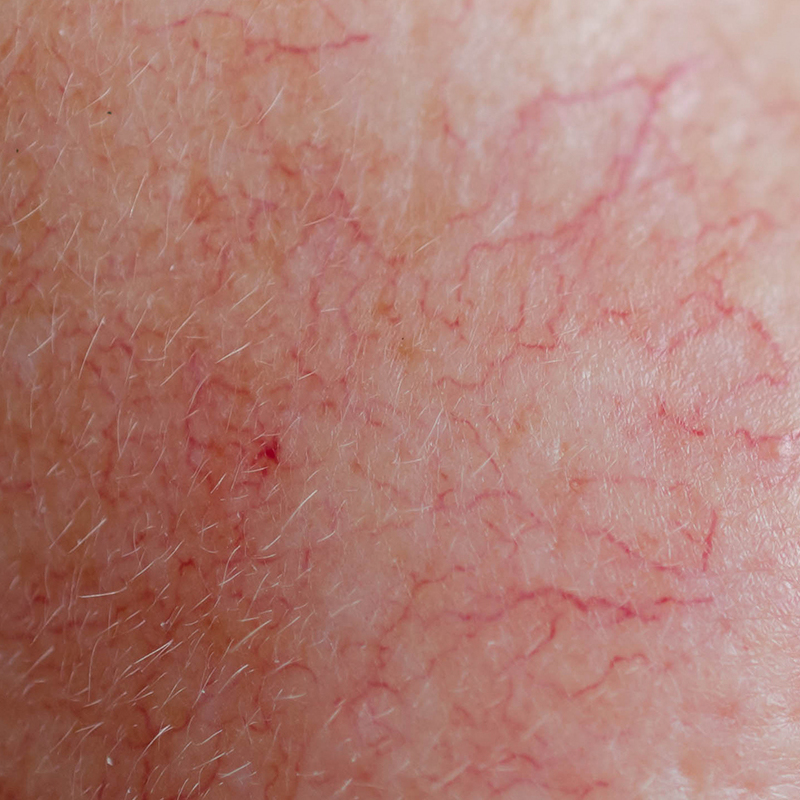
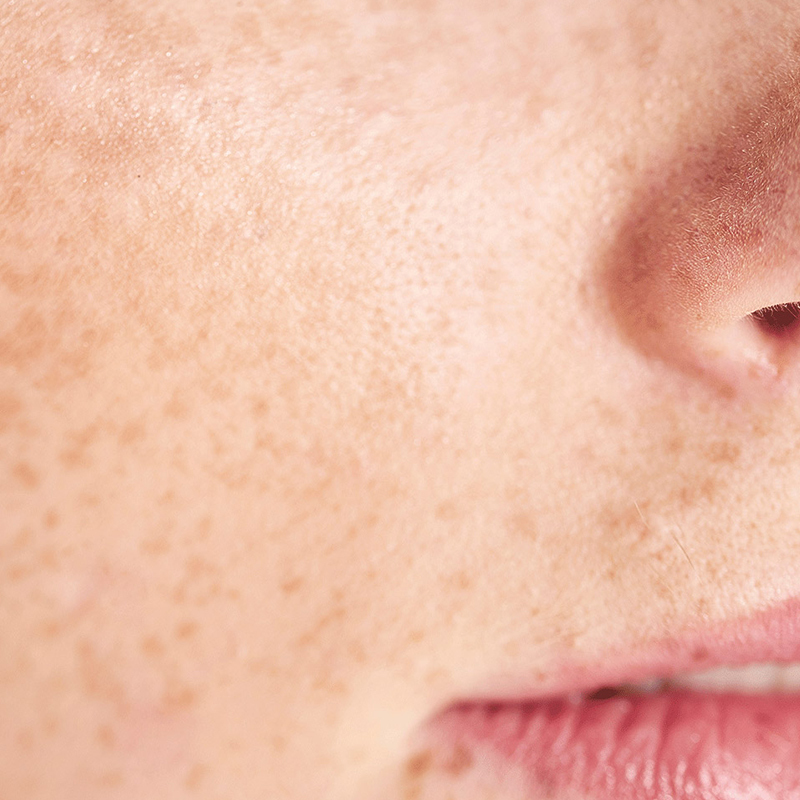
Rosacea is a chronic skin condition that affects around 5%* of the global population. Despite being one of the most visible and impactful skin disorders, it has only recently begun to receive broader recognition. Rosacea is characterised by facial redness, visible blood vessels and unpredictable flare-ups that can cause burning or stinging sensations on the skin.
Because rosacea mainly affects the face, its symptoms are often misunderstood. Persistent redness is sometimes wrongly associated with alcohol use, sunburn or poor hygiene, leading to embarrassment, social anxiety and lowered self-esteem. These misconceptions can deeply affect emotional wellbeing and quality of life.
People living with rosacea also experience uncomfortable sensations, such as tingling, heat or tightness - that are invisible to others but constantly present. This combination of visible and invisible symptoms can make rosacea especially challenging to cope with, both physically and psychologically.
A common question is, “How can I get rid of rosacea?” While there is currently no permanent cure, there are effective treatments and skincare routines that can reduce flare-ups, calm redness and improve daily comfort. With the right care, it’s possible to control the condition and maintain healthy-looking skin.
*Epidemiology of acne and rosacea: A worldwide global study - Journal of the American Academy of Dermatology, January 2024.