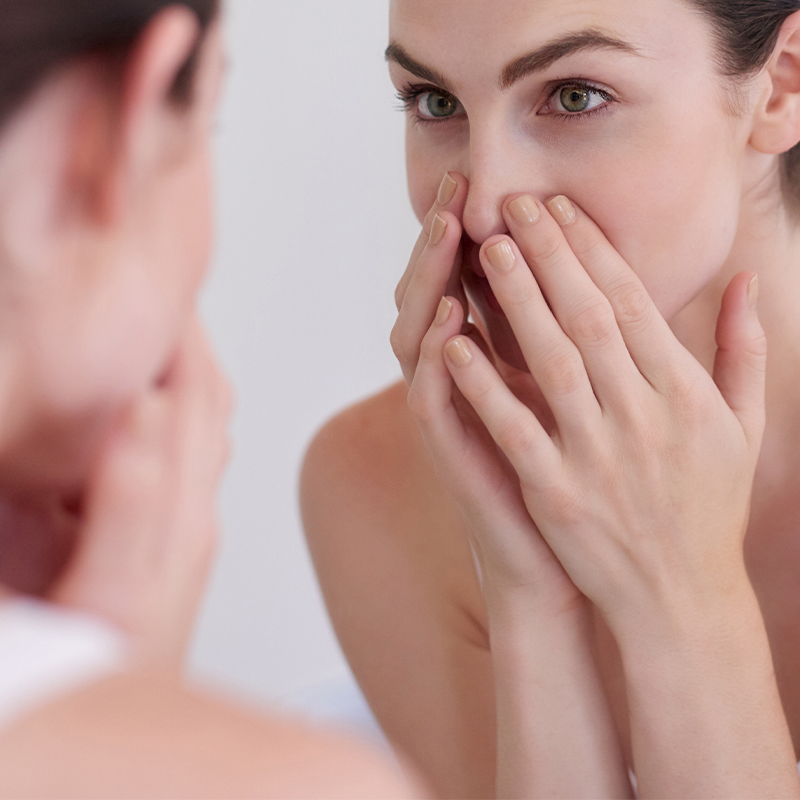
Acne is a common skin concern that affects not only teenagers but also many adults, particularly women. It develops when excess sebum, dead skin cells and bacteria lead to blocked pores and breakouts. At BIODERMA, we believe that caring for acne-prone skin begins with effective facial cleansing. Choosing a cleanser that complements your dermatological treatment is an essential first step towards clearer, healthier skin.
How to Choose the Best Face Cleanser for Acne-Prone Skin
Reading time : 5 min

Solutions and treatment
The Importance of Facial Cleansing for Acne-Prone Skin.
Cleansing your face is the essential first step in any effective skincare routine. For acne-prone skin, proper facial cleansing helps remove excess sebum, dirt, pollution, sweat, and dead skin cells that can clog pores and trigger breakouts. This simple daily action helps to rebalance the skin, leaving it clearer, healthier, and less prone to blemishes.
It’s also important to note that acne can appear at different stages of life, and skincare needs often vary depending on age and individual skin type.
Facial cleansers for pre-teen, teenager and adult acne

There can be a time in pre-teen when acne appears to be forming. Parents may seek dermatological advice for pre-teens to nip acne in the bud before it blossoms across their faces. For these patients, cleansing is a natural response to acne.
Teenagers with acne may already have a long list of creams and treatments to take. Hygiene is not a reflex when there is all the rest. Parents and dermatologists may need to spend time educating them. A hydrating cleanser can be really positive for them, either helping to improve acne or soothing some of the effects of their treatment.
Adults are often very demanding about their treatments. They’ve had bad experiences in the past, and they’re often looking for gentle and natural solutions. As adults also have thinner and more sensitive skin, a calming and soothing cleanser can really make a difference.
Dr Aurore Fougerouse, Dermatologist, France
Choosing the right type of facial cleansers for acne
An appropriate facial cleanser can play a critical role in preventing acne, as well as soothing skin that may be dry, dehydrated and irritated due to different acne treatments, whether local or oral. Choosing the cleanser that is right for you depends most of all on the type of acne you have, and what kind of treatment you may be taking. There’s also a certain amount of personal preference that comes into play. Cleaning your skin can be a pleasant moment during your morning and nightly routine, and you want the experience you enjoy the most. Often, this is determined by the type of cleanser you use: foaming cleanser, cream cleanser, oil cleanser… Foaming cleansers are popular – and now there are new balm cleansers that soothe and moisturise.
Foaming Cleansers
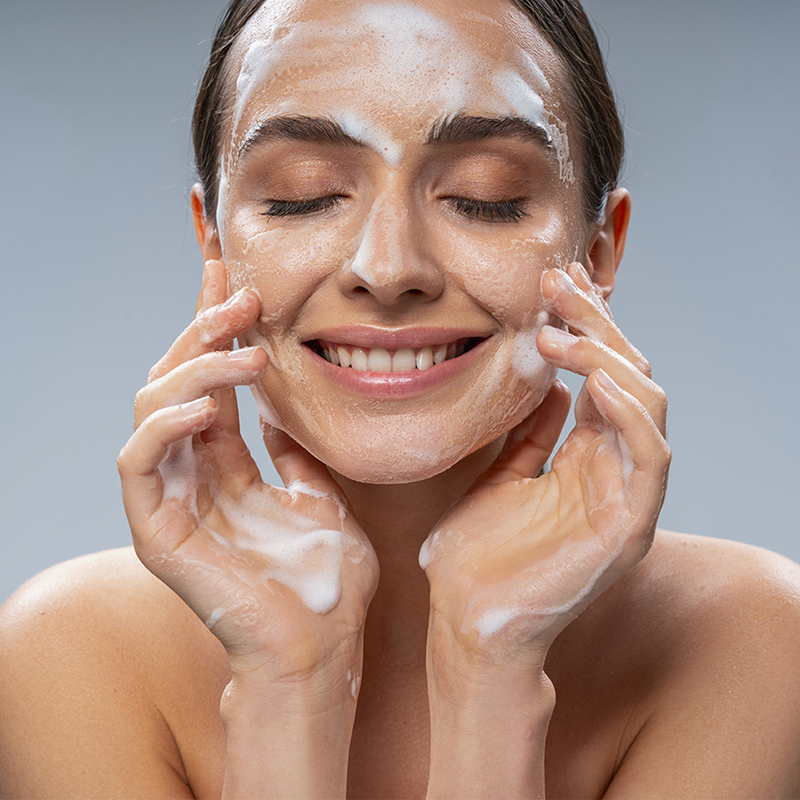
Foaming cleansers produce a lather that helps to remove excess oil and impurities The suds make you feel as if you’re scrubbing away your blemishes. Be careful not to scrub too hard. This may simply aggravate the irritation your skin is already feeling. Foaming cleansers may or may not include active ingredients that treat your acne.
Balm Cleansers
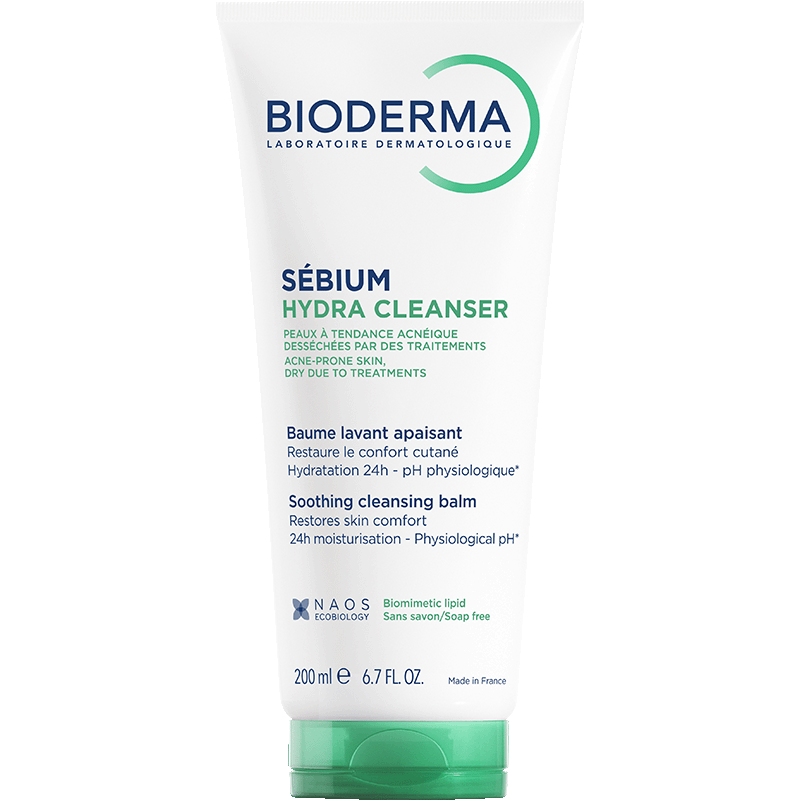
This new type of facial cleanser for acne-prone skin effectively removes make-up, dirt and other impurities from your face. When your face is suffering from dryness and irritation due to acne treatments, a balm cleanser brings soothing, nourishment and hydration.
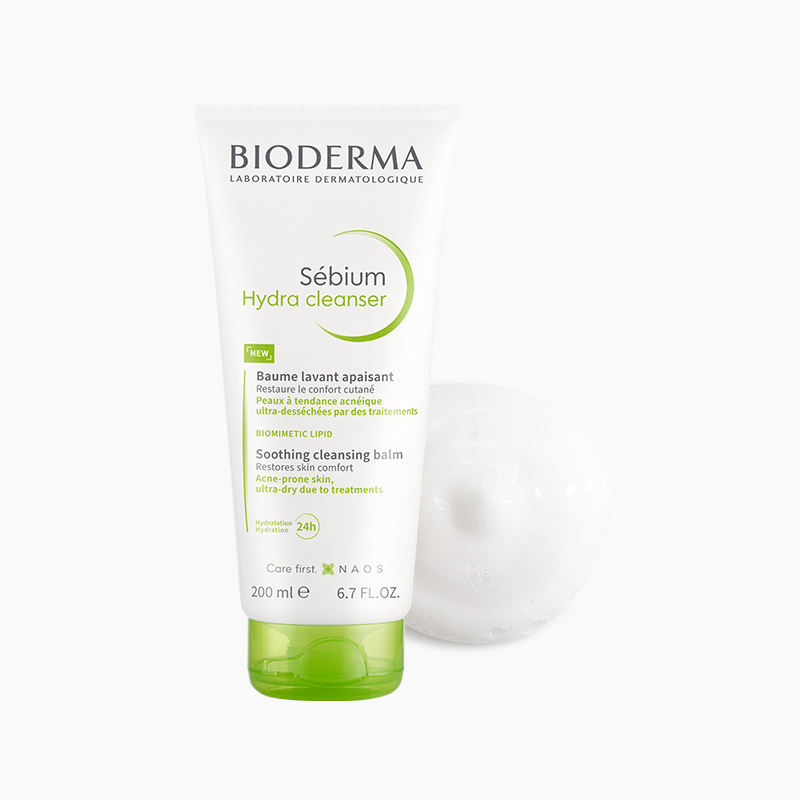
A Bioderma Ecobiological answer
SEbium Hydra Cleanser
Acne-prone skin
Skin is gently cleansed and soothed: 100%*
+53.1% hydration level*
*Clinical study on 30 subjects aged from 14 to 30 years old with mild to moderate acne with very dry skin under topical or oral treatment (retinoic acid or isotretinoin) after 28 days of twice daily application in addition to their usual daily cream, Portugal, 2023
Do you want to know more about SÉBIUM products composition?

Factors to consider when choosing a facial cleanser for acne
So which cleanser do you choose? Here are three factors, beyond the texture of the product itself, to think about that can help you select the cleanser that is adapted to your skin and helps to keep it healthy.
Dry, irritated, oily, combination, dehydrated, acne-prone – ultimately it’s your skin type that has the greatest influence over the type of cleanser you choose. For acne-prone skin, it also depends on how severe your acne is and if you’re following a treatment for it. There are cleansers that act on the causes of acne. These can complement other creams and treatments that you may be using. You may, however, already be following a heavy treatment regimen. There is no need to overload your skin with a cleanser that also treats acne-prone skin. In this case, a soothing and calming cleanser – a moment of respite – may be the best choice of all.
Cleansing is the essential first step in any skincare routine. It removes daily buildup and can help soothe skin concerns. This is why it’s always important to consult the surfactants that a cleanser contains. If you have acne and are taking a dermatological treatment for it, at this initial stage of skincare you want gentle surfactants that aren’t going to irritate your skin further.
The skin’s natural pH level is about 5.5. Facial cleansers that don’t have a pH similar to the skin’s are more likely to irritate it. They may strip your skin of its hydrolipidic film and protective barrier, leading to irritation, dryness, and possibly inflammation. This may also result in a higher production of sebum to renourish the skin – which can compound difficulties for acne-prone skin.
Tips for effectively cleansing acne-prone skin
Washing acne-prone skin really can make a difference. In fact, for mild acne, the right cleanser and cream combination can clear problems up.
Washing your face at least once, and ideally, twice a day is crucial. It can help calm your acne, and prevent it from getting worse. If you wear make-up during the day, removing it before bed is crucial to your skin’s long-term health. ‘Washing in the morning removes treatment creams that make your skin sensitive to the sun, especially in summer,’ notes Dr Fougerouse.
Cold water isn’t always pleasant, and hot water can be abrasive and strip away the natural oils in your skin. Opt for the middle ground, and wash with lukewarm water.
There is no need to scrub and scrub – this will not make your acne disappear any faster. It may indeed make it worse, or at the very least irritate your skin and make it even less comfortable than it is. Be gentle as you wash, using smooth and soft movements.
Rubbing your face with a towel is another abrasive movement when cleansing your face, your acne and skin, won’t like it. Instead, pat your skin dry, pressing the moisture gently into your towel.
But if you were in a situation where you had to choose between buying a cleanser and a cream, definitely choose the cleanser. Adapted cleansers address your acne symptoms and causes – and leave your skin feeling soothed, nourished, and cared for.
Dr Aurore Fougerouse, Dermatologist, France